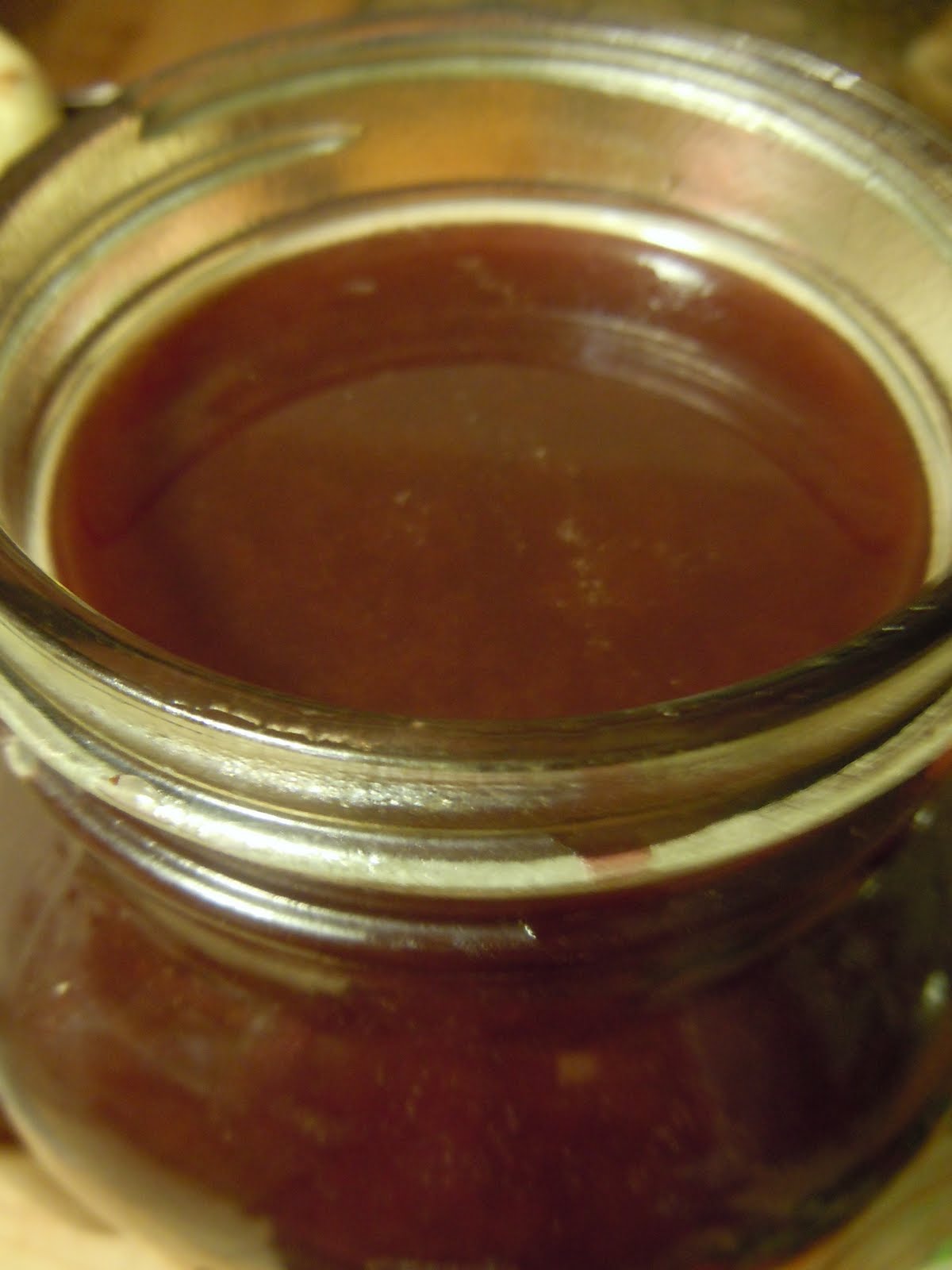
Showing posts with label immune. Show all posts

Monday, February 13, 2012

Dandelioness Herbals has an Etsy Shop!

I'm pleased to announce that Dandelioness Herbals now has an Etsy Shop, where you can purchase hand-made herbal remedies online. While I love sharing my herbal products that are made mostly from local, hand-harvested medicinal plants with other people within my bioregion, I also love creating care packages for those who live faraway. And in these times when the US Postal Service is under fire, I love support postal workers! Each Etsy posting can have up to 5 photos and provides a lot of space for me to write descriptions about individual plants, their medicinal properties, and the process of making the remedy. I've also been collaborating with other local herbalists to create gift baskets, such as the Valentine Gift Basket and the Be Well Basket for Immune Health.


BIO:


My herbal concoctions are all handmade in small batches, using primarily local and abundant plants grown and harvested by hand from my garden, the fields and woodlands of land in VT (U.S.), or at my family's farm in Central Maine. Most ingredients are local, organic, fair-trade, made by worker's collectives, or otherwise from the most ethical source I can find.

I am passionate about health justice and my ever-evolving product list, which changes from season to season, reflects my vision for accessible and empowering health care. Throughout the process of growing medicinal plants, harvesting herbs, washing roots, choosing ingredients, making remedies, and the bottling and labeling of my tinctures, elixirs, syrups, salves, flower essences, lip balms, and other herbal products, I reflect upon, learn about, and give thanks to those who've come before, those that are here now, and those that are to come that are a part of the ever-changing movements towards liberation. My hope is that my creations are a part of creating/supporting a culture of self-care and collective-care based on mutual care, collaboration, appreciation for our bodies, and taking the time to rejuvenate ourselves and each other. Whether we're organizing for migrant justice and universal health care, raising children, menstruating, taking exams and writing papers, and/or giving care to elders, may we find ways in our personal lives and within movements for social justice and the other circles/worlds that we move between to help nourish and sustain ourselves and each other so that we can be in it for the long haul!

Here's some of what you'll find on the DandelionessHerbals etsy site:

(fyi - Sometimes it can be tricky to find what you're seeking on etsy - you can find DandelionessHerbals etsy shop through this link, or by searching danalwoodruff under 'people' or DandelionessHerbals under 'shop' (both have no spaces between the letters!)


The Be Well Basket for Immune Health, a collaboration between Samhain Herbs,
Mountain Cultures, Dandelioness Herbals, and Kaleid Botanicals, with Elderberry Syrup, Fire Cider, Speak Truth! Throat Spray, and Medicinal Soup Satchel, all resting in a bed of pine curls in a one-of-a-kind, reusable basket made out of old record covers! Hooray for community health!


The Self Care Kit: for emotional first aid was created with the intention of
preventing burn-out and helping to promote a culture of self-care and collective-
care. It contains: *Heart Elixir: to open, heal, and protect the heart 
(please see Heart Elixir blog post)*Tulsi Elixir *Yarrow Flower Essence 
for clear and strong boundaries and *Rose Relaxation Bath Fizzies
(Substitutions are definitely allowed to create your own personalized Self-Care Kit).


Speak Truth! Throat Spray is made with gratitude in honor of whistle blowers and truth tellers, past, present, and future! This remedy was formulated during the people's uprising in Egypt, using Egyptian Licorice root and a blend of herbs from my garden - hand-harvested VT Sage leaf, VT Oregano leaf, VT Thyme leaft and flower, and VT Hyssop leaf and flower, infused together in Brandy, and then blended with a Licorice root syrup made with local VT Honey. For more info see: SPEAK TRUTH Throat Spray: antiviral, antibacterial, and soothing and Americans Who Tell the Truth, a collection of portraits and quotes by Robert Shetterly.


Chocolate Spice Elixir is a warming aphrodisiac to stir you up. Made with a
combination of herbs and spices that have traditionally been used as aphrodisiacs
and to promote circulation, infused in brandy and blended with a homemade chocolate
syrup made with fair trade ingredients.


Mugwort Elixir: to invoke vivid dreams and a connection with the moon.


Valentine - or Anytime - Gift Basket contains hand-milled Olive oil soap and handmade Rose-scented Cone Incense from the Gardens of Seven Gables and your choice of Chocolate Spice Elixir or Heart Elixir from Dandelioness Herbals.

Thanks so much for the support!

Monday, February 28, 2011

Elderberry (and other) Syrup Recipes

Juicing the Elderberries - multiple times! - for a batch of
"All Power to the People! Eldercampane Syrup."


Stirring the local honey in. Juicing the limes, while the Cinnamon and honey look on.

Measuring out the tincture. The finished syrup. Yum.

Word on the street is that a bunch of folks have Elderberries in the freezer from last Autumn and are seeking recipes. Ask and ye shall receive! I'm including not only recipes for immune-supporting Elderberry syrups, but ones for building Iron, protecting or decongesting the lungs, and settling the stomach. Please see the glossary below if you're unsure of a term. And if something is unclear, please ask! Information like this means little if you can't put it into practice to make medicine for your community!

As with everything herbal, there are a gazillion recipes and methods to making your remedies. I make my food and medicine using pinches, dashes, and handfuls. However, in order to re-create good creations and to share recipes with others, I've been recording general directions and amounts. So, I'm sharing these recipes that I've used, adapted, and created over the years. Feel free to experiment and please post your comments, questions, and recipes!

Why syrups? Herbal syrups are remedies that are more concentrated than teas (though less concentrated than tinctures). They take time to simmer, but they also keep for months, making them more convenient than simmering tonic herbs daily or making decoctions when you’re not feeling well. Using good local honey, rather than the white sugar that some syrup recipes call for, creates not only a sweet tasting remedy but also soothes the mucus membranes of our throats and digestive tracts. Depending on the herbs you choose, you can make a daily tonic with herbs to build blood or give immune support, or a syrup for acute situations, such as an expectorant or sore throat remedy for cold and flu season. Syrups can also be made alcohol-free for kids, those in recovery, those allergic to alcohol, etc, and they usually taste gooooood. If possible, keep your syrups refrigerated so that they keep longer.

A note on sugar and honey: Many syrup recipes call for loads of refined sugar. When I'm feeling under the weather I definitely don't want to be taking sugar, which depletes the immune system, so in my recipes I use local honey and refrigerate my syrups.  I love to use local honey in my syrups. Simmering the honey with the herbs creates a thicker, more syrupy consistency, but also cooks some of the vitality and medicinal properties out of the honey. Oh no! But the bees worked so hard! And the humans, too. So I don't cook the honey, or sometimes I cook just a small amount of it and add most of it later once the syrup has cooled a bit. I would rather have a more liquidy medicinal syrup than a less medicinal thick syrup.

A note on consistency: The recipes below (besides the goopy Horehound Syrup recipe), come out with a liquidy consistency.  They are like a really concentrated tea-concoction, rather than a thicker syrupy consistency that you may be used to.  You can experiment with adding ingredients that will thicken your syrup, such as Slippery Elm powder (from a cultivated, organic source, as this tree is at-risk), to achieve the consistency you're seeking.

Most syrups, especially ones containing honey, are recommended for children over 2. Check in with your health care provider or trusted friends to see about dosages for little ones.

General Syrup-Making Info:
I like to make my syrups when I can be at home and take my time - time to let it simmmer, to let it cool, and to clean up the mess afterwards. Especially if I'm using Elderberries. As always, its a good idea to read over the recipe before embarking on your syrupy adventure to be sure that you've got what you need for ingredients and supplies, or at least that you've got a general idea so that you can improvise.

When I was living somewhere with pretty heavily-chlorinated water, when I would visit friends and family with good water from a well or spring I bring along a half gallon jar so that I can use it for making medicine. Use what you've got access to, but if you can get your hands on good water your medicine will be that much stronger. That being said, I'd rather use tap water than give a penny of my money to Poland Springs/Nestle and other water-stealing corporations.

In general, I don't measure my herbs by weight, as many herbal recipes do. I prefer to measure my herbs out in a measuring cup. I add the herbs and water into a large pot and simmer the brew until I've reduced the liquid by half, i.e. simmer 2 cups of water down to 1 cup. I then remove the pot from heat, strain out and compost the herbs, return the liquid to the pot, and let the hot liquid cool before adding 1/2 the amount of local honey (1/2 cup honey to 1 cup of concentrated tea). I usually let it cool for about 15-20 minutes before adding the honey so that heat doesn't kill the living enzymes and other good stuff in the honey, but it's still warm enough that the honey will dissolve. Many recipes call for far more sweetener, but I feel like this amount is plenty. If I'm adding additional ingredients - tinctures, apple cider vinegar, lemon/lime juice, etc. - I let the liquid cool even more, almost down to room temperature, so that the alcohol doesn't evaporate off and the heat doesn't kill the vitamin C or living enzymes in the other ingredients.

Pour your syrup into sterilized bottles, using brand new ones or washing reused ones with hot soapy water and rinsing carefully with boiling water. Label your syrup with the ingredients and date, and record your recipes if you wish. It's often recommended to use up your syrup within a few months, but depending on the ingredients you choose that may have anti-bacterial, preservative properties, they may last longer.

Elderberry Syrup
This simple syrup combines elderberries, long praised for its anti-viral properties, with sore throat-soothing honey.  Be sure to use only blue-black Elderberries, Sambucus nigra. (The red ones can be toxic.) Here in Northern New England U.S., the Elder trees that you want to harvest from are in bloom in June and ripen in early September. Don't eat Elderberries that haven’t been cooked first, as eating too many can make you sick.


1 cup fresh or ½ cup dried Elderberries
3 cups Water
3/4-1 cup Honey

1. Add the berries and water to a pot. Bring to a boil, reduce heat, and simmer over low heat for 30-60 minutes.
2. Strain the mixture through a fine-mesh strainer, being sure to squeeze or crush as much of the juice out of the berries that you can.
3. Let the liquid cool, but while it's still warm enough to dissolve honey, add the honey and stir. 
4. Pour the syrup into clean containers (preferable narrow-mouthed containers for easily pouring) and store in the refrigerator, where it should keep for a few months.  If you would like to preserve your syrup for longer, you can add a few ounces of alcohol or tincture.


Elecampane Syrup
Elecampane is an amazing medicine for infections that settle deep in the lungs.

1/2 cup dried Elecampane root
2 3” Cinnamon sticks broken up into bits, optional
2 1/2 cups Water
3/4 cup (or more) local Honey
1+ ounce Elecampane tincture

Bring the first three ingredients to a boil, and then reduce to a simmer until the liquid is reduced to half. Strain and compost the herb. Add honey after the tea has cooled, but is still warm enough to dissolve the honey. Once cooled to room temperature, add the Elecampane tincture and stir.


Elder starting to bloom by the stream, Old school print of Elecampane (aka Elf Dock)


Elecampane blossom and ripe, heavy Elderberries with dewy spider web 

All Power to the People! Eldercampane Syrup
One time I had a wee bit of Elderberry syrup and a wee bit of Elecampane syrup and so I combined them. It was so delicious and medicinal. This is how the Eldercampane syrup came to be. And then one day I was making a batch while listening to a Democracy Now! program on the 40th anniversary of the assassination of Black Panther Party leader Fred Hampton on our local community radio station 91.1 WGDR. As I made medicine, I reflected on the concept of supporting and strengthening our defenses. I make this syrup with gratitude in honor of all those who’ve organized past and present for community health, including the Black Panther Party and the Young Lords.   (I don't make this syrup available for sale, if I did I'd only use that name as a fundraiser for political prisoners, Black Lives Matter, etc)

I gather the Elderberries from my friend's thriving, abundant bushes, and the Elecampane that I harvest grows prolifically along the tree line in the moist lower pasture at my family's farm. The faraway spices I try to get from the most ethical sources I can find - friends have brought them back from markets visited on their travels or family visits or I try to get my hands on fair-trade, worker-owned, organic, etc. sources. The Ginger and Cinnamon are both great for respiratory/ immune health and the Cinnamon helps make the syrup a bit more viscous, once cooled. This recipe makes a delicious, anti-viral syrup to speed recovery during cold and flu season. I like the taste so much that I integrate it as a food, pouring it on my buckwheat pancakes, or just taking a shot of it when folks around me are sick, I'm not getting enough sleep, or am feeling stressed or under the weather. This is a big batch, feel free to decrease it. Or make a lot and share it!

Here we go! Combine the following ingredients in a large pot and simmer uncovered until the liquid is reduced by half:

3/4 cup dried Elecampane root
4” fresh Ginger, grated
3 3" Cinnamon stick, broken into bits
9 cups Water

While the herbs are simmering, juice your fresh Elderberries. I put my berries through the juicer at least three times to get all their good juice out. If you have frozen Elderberries, remove them from the freezer before making the syrup so that they can thaw out. If you have dried Elderberries, simmer 1 or 1 1/2 cups with the herbs above.  If you don't have a juicer, just add the Elderberries to the Elecampane, Ginger, and Cinnamon and let them all simmer together.

Letting the liquid cool as mentioned above in general instructions, blend together:

2 1/2 cup of Elderberry juice
3 cups local Honey
5 ounces local Apple Cider Vinegar (my favorite is Honest-To-Goodness)
juice of 2 fresh Limes
6 ounces Echinacea tincture (whole plant - root, leaf, flower, bud, and seed)
3 drops homemade Self-heal flower essence per bottle (to support the body in healing itself)

When the hot liquid has cooled enough, but is still warm enough to dissolve honey, add the juice-honey-vinegar-lime-tincture-flower essence blend and stir.  Pour your syrup into bottles, label, and share! The honey, apple cider vinegar, and tincture are all natural preservatives, prolonging the life of the syrup. It's often recommended to use up your syrup within a few months, but with this recipe, I've had the syrup last over a year.

Variations: You can add other herbs that you’d like to simmer along with the elderberries. For a cold and flu prevention syrup, you can add Astragalus root, simmered with the Elderberries and/or added as a tincture. For syrup to take when you’re sick, you can add other herbs such as Thyme for anti-bacterial respiratory support, and/or Marshmallow root for its soothing qualities.

 (You can buy Honest to Goodness Apple Cider Vinegar in C. Vermont Coops, or buy it in bulk directly from them.  Call: 802-685-3061 )

Instant Ginger Syrup
Alright, technically this is really an infused honey rather than a syrup, but the infused honey is just as good (I think), quicker to make, and uses less fuel/electricity.

This "syrup" is great when you want the benefits of fresh ginger root, but you’re not able to brew up tea. You can bring it with you to work and on trips, though it is best to refrigerate it and I like to make small batches and use it up within a few days. It’s powerfully decongesting, soothes a sore throat, boosts the immune system, and helps to ease motion sickness. Simply grate a couple handfuls of fresh grated ginger to a medium sized jar and cover with local honey. As the ginger releases its moisture, the honey becomes more liquidy and spoon-able. I take the syrup as is, but if you don't like to eat lil bits of ginger, you can strain them out. If the honey is more granular, you can gently heat it by placing your glass honey jar in warm (not HOT! - it may crack and/or you may cook the good stuff out) water to liquefy it before straining.


The roots and leaves of Iron Building Syrup.

Iron Building Syrup
Iron Building Syrup is rich in vitamins and minerals, especially iron.  This syrup helps build up iron in the blood with herbs that are more absorbable by your body than synthetic iron pills, which can cause constipation. This syrup is great for those who menstruate, as we are cyclically building and shedding our blood, and especially helpful for vegetarians and others who may tend to get anemic! I like to take this syrup throughout the month or during and after my period to build up nutrients that are lost with my flow.

1/2 cup each dried: Dandelion leaf, Dandelion root, Burdock root, Yellow dock, Nettle leaf, and Raspberry leaf
12 cups Water

Simmer this brew down to 6 cups. Strain the herbs from the liquid. Pour the liquid back into the pot. Remove from heat. Letting the liquid cool as mentioned above in general instructions, blend together:

2-3 cups local Honey
7 tablespoons fair-trade black strap Molasses

Once cooled, to add more medicinal properties and help preserve your syrup, you can add:

4 ounces brandy or tincture of any of the above herbs

Your syrup is all made!  Bottle, seal, and label. Store in the refrigerator. Take 2-6 tablespoons daily.


Old school print of Licorice 
Old school print of Coltsfoot and Coltsfoot leaves

Persistent Cough Syrup
Early this past winter many folks just couldn't kick the persistent cough that held on long after their cold or flu had passed. My neighbor asked for help. Ginger and Thyme came to mind initially. Then he told me he'd tried Echinacea, Elecampane, and Goldenseal roots, and Garlic. When I got home to my apothecary the remedies that I thought would be helpful weren't the ones calling to me. Licorice was loud. Then I went to my lung tonic blend - the leaves of Plantain, Mullein, Lungwort, and Coltsfoot. The Coltsfoot wanted to join the Licorice root and be made into a syrup. I love Licorice root. It's a great syrup herb because it's anti-viral, relaxing, soothing to mucus membranes, and supports respiratory health. I didn't have as much personal experience with Coltsfoot, however, so I took the opportunity to look it up in some of my herbals. And in her writings on Coltsfoot, Mrs. M. Grieve recommends a Licorice-Coltsfoot Syrup. !!!  So here's what I made:

7 large dried Coltsfoot leaves (harvested away from roads, where it commonly grows), crushed into bits
3 small handfuls Licorice root, cut and sifted herb (if long, tongue-depressor like slices of roots, break into bits)
2 1/4 cup Water

Simmer down to 1 cup of strong tea. Add:

1/2 cup local Honey

Take a teaspoon as needed to soothe a dry, irritated, sore throat and to ease coughing. If you're concerned with Licorice's affect on those with high blood pressure, you can keep your daily dosage low or choose a different blend of herbs.


Bitter, fuzzy Horehound.

Horehound Syrup
From Michael Moore’s Medicinal Plants of the Mountain West:  “Horehound is an old and revered bitter expectorant. For coughs and lung congestion in general, a syrup is often preferable. This is my recipe (there are endless variations): Boil an ounce of Horehound in a pint of water for twenty minutes, strain and reduce the liquid to a cup. Add two cups honey and stir over low heat. Remove from heat and add one ounce powdered Slippery elm bark or powdered Comfrey root, the juice from one lime, and one-half cup brandy. If you are fortunate enough to have some handy, several tablespoons of powdered Osha Root can also be added. Mix thoroughly and bottle. Take a tablespoon or two as needed.”

A note on Osha Root, since this plant is at-risk: “Use the wild plant only when absolutely necessary; otherwise use only cultivated resources. Thyme, elecampane, marshmallow, lovage, angelica, and rosemary are all good alternatives.” From Planting the Future: Saving Our Medicinal Herbs edited by Rosemary Gladstar and Pamela Hirsch.  Slippery Elm is also at-risk, so please get it from a cultivated source.

And just be aware that when you add the slippery elm bark powder to this syrup the consistency radically transforms from a liquidy liquid into a snotty globby mess! Hooray (as long as you don't mind)!


Making Elderberry-White Pine syrup with an afterschool program.
_____________________________________________
Glossary:
tinctures - alcohol-based herbal extracts
decoction - a tea made by simmering the more tenacious parts of plants - i.e. roots, barks, certain seeds.
herbals - herb books. It's a good idea to have at least 3 reliable herbals to turn to for information.
Did I use any other unfamiliar terms? Let me know!

Friday, November 12, 2010

Idea and Remedies for When You're Home Sick


State of Vermont postage stamp with Red Clover, Yarrow pollination, Echinacea blossom, Morning dew on ripening Elderberries, Lavender and Chamomile harvest. All taken in and near my garden, except for the stamp photo.

This blog was born because I am not so good as staying home and doing nothing. I love to be home, and staying home sick makes me just want to cook, clear my space, get crafty, make fun packages to send to people, catch up on work, etc. So this time, in my attempts to sit still, I've created a blog, watched 1/2 a movie, and read up on lionesses. I get a bit whiny when I'm feeling under the weather and I often forget even the most simplest remedies. I called a dear friend and she recommended the same herb that my housemate (who's also under the weather) loves. Red Clover. The state flower of Vermont, the sweet edible flower, the blossom that bees love and that grows abundantly in fields in these parts. It helps to dry up mucus and promotes movement in the lymph system.  I created this blog post to help remind me of how to support my body/myself next time I'm sick and I'm sharing it here with y'all in case any of these ideas resonate for when you're feeling under the weather as well...

WHEN I START COMING DOWN WITH SOMETHING I:

*Take Echinacea and/or Spilanthes tinctures to boost the immune system - about 3 dropperfulls whenever I think of it, maybe every couple of hours throughout the day.
*Cancel plans so that I can rest.
*Take a hot bath with a few drops Lavender essential oil and/or sea salt.
*Make chicken or vegetable soup and add lots of spices.
*Make loads of tea with fresh Ginger root (which is warming and stimulates the immune system), local honey (soothes a sore throat), and fresh squeezed Lemon or Lime juice (vit C). If I need to be out and about for awhile and won't be able to make my own tea (because I live in culture where there aren't tea kettles everywhere) I grate fresh Ginger into local honey and carry it with me to swig like a syrup or add to water. This time I added Lime juice as well.

WHEN IT'S OFFICIAL THAT I'M SICK - WHICH USUALLY MANIFESTS AS GETTING MUCUS-Y, LOW-ENERGY, AND A BIT ACHY, TO REST AND DECONGEST I:

*Massage a decongestant salve on my chest, being sure to gently rub below my clavicles to stimulate the lymph system. This time I'm using: White Pine Salve made with the sap, needles, and bark from a fallen tree infused in olive oil and thickened with beeswax from my friends' hive, as well as Bud Salve that I made with Balm of Gilead (Balsam Poplar buds harvested from a fallen tree) and fresh St. Johnswort buds infused in sunflower and sesame oils, fair-trade shea butter from Burkina Faso, West Africa, and local beeswax.  If I can lay down, I like to place a hot water bottle (or glass Mason jar filled with hot water) on my chest to help break up congestion and get things moving.

*I also rub in a soothing salve or oil around and inside my nostrils and on my lips to prevent them from drying out, especially when I'm blowing my nose a lot. This time: Calendula salve with Lavender essential oil. (I wouldn't use a muscle rub/decongestant salve on my sensitive mucus membranes, as the essential oils may be irritating)  You can keep it simple and use straight olive, sesame, or other oil, or you can use herb-infused oils or salves. For salve-making instructions, see my (Im)migrantion and Lip Balms for Social Justice?! post.

*Make a big fat pot of turkey vegetable soup. This time I warmed olive oil, added 2-3 chopped onions, 1 head of homegrown garlic crushed and chopped, browned 2 turkey legs on the bone, and then added 2 chopped carrots, 2 sweet potatoes, and enough water to cover. I add more garlic at the end, so that I'm receiving the benefits of nearly-raw garlic, and I add other herbs and spices both at the beginning and end of cooking as well. This time I added Marjoram and Lavender Bee Balm (Monarda fistulosa, which tastes like oregano and cayenne to me) that I dried from my garden. Other times I've added Thyme, Cinnamon, Basil, and/or Coriander (if using whole seeds I add at them at the beginning so that they can warm in the oil like friends from Southern India showed me).

These culinary herbs have been used for generations all over the world because the volatile oils that give them their incredible taste and aroma are also medicinal. They help to relax the digestive track for better digestion and absorption, and also boost the immune system. I let this soup simmer at least an hour, and then remove the meat from the bone. I saved my garlic skins and simmered them with the bones to make another broth. If you're making soup or bone broth, it's really quite nice to freeze some so that if you or a friend/family member gets sick it's already made. Sometimes I eat the soup as is, sometimes I add a spoonful of miso to my bowl (but not to the big pot or the heat will kill all that good beneficial bacteria that nourishes our system), or some rice or rice noodles.  If the thought of cooking all this makes you want to cry (you're vegetarian/vegan, you're exhausted, you don't cook much, etc.) fear not! You can just stir miso into warm water and call it good. If you have energy for it, you could crush and then chop Garlic, grate Ginger root, and take a pinch of Cayenne and add all this to your miso paste. This keeps in the fridge for a long while and you can add tahini (with or without local honey) to it to make a spread or sauce. Something else you can make to have on hand for easy soups are herbal ice cubes. The next time you get a bunch of cilantro, parsley, dill, basil, etc from your garden, farmer's market, or grocery store, chop it finely, pack it into ice cube trays, and cover with water. Freezing captures the green vitality of the plant and you can store the cubes in freezer bags to later add to soups, stir fries, and any other recipe that calls for a bit of fresh herbs. Be sure not to eat refined sugars now as they suppress your immune system. If you're craving sweets, you can add honey to your tea or eat straight by the spoonfull. You can roast sweet potato fries, winter squash, beets, carrots. These autumn roots and squashes contain a lot of natural sweetness, and I always crave these foods this time of year, particularly when I'm sick. Also, it's recommended to avoid dairy products as they contribute to gack-yness - as it creates more mucus/phlegm that you have to deal with.

*Do a respiratory steam by pouring steaming hot water into a metal, glass, or ceramic bowl, adding herbs, and leaning over the bowl with a towel draped over your head. Breathe in the steam, which carries the plants' volatile oils, for 10 minutes or so.  The herbal steam helps to break up mucus and moisten dry airways.  This should feel good.  If the steam is too hot and/or herbs too intense, come out from under the towel and wait til the water cools down a bit or some of the oils steam off. You can add a small handfull of aromatic culinary herbs such as Thyme, Oregano, Lavender, Herbs de Provence blend, a couple Peppermint tea bags, or a drop or two of essential oils of these plants. (Remember that essential oils are highly concentrated and may irritate skin and the respiratory tract if you use too much!) Voila, a respiratory steam and facial steam all in one!  I especially like to do this before I go to bed and when I wake up, but it's good to do anytime.

*Use a Neti Pot to thin mucus and clear the nasal passages, especially if you're prone to sinus infections.  Hooray for nasal irrigation!  If you don't have a NetiPot, you can just cup the water in your hand or check out do-it-yourself neti pots online.  Warm distilled water so that it's hot enough to dissolve a pinch of non-iodized sea salt, stir, and let cool to body temperature.  Be sure to clean everything well and keep the water pressure to a gentle flow.


*Tea! By the pot or quart! Yesterday I made tea with Anise Hyssop and Lemon Balm from my garden and Licorice root. Today I made a pot of Tulsi (aka Holy or Sacred Basil) and a blend of Mint family plants (Peppermint, Anise Hyssop, Catnip, Damiana, etc.) Getting plenty of fluids helps to stay hydrated and helps flush the cooties out.

*Take tinctures specific to your constitution and symptoms to support your immune response.  Which herbs are you drawn to? Elecampane, Elderberry, Yarrow, Thyme, and Elderflower all support the respiratory system. Calendula, Red Clover, Echinacea, Spilanthes, and other lymphatic herbs all support good movement in the lymph system, especially when you're clearing an infection and probably not moving/ exercising so much. If you're not so keen on the taste of tinctures, you can add them to your warm tea or mix them with honey.

*Take syrups! I made "All Power To The People! Eldercampane Syrup" on the 40th anniversary of the assassination of Black Panther Party leader Fred Hampton, as I listened to interviews with former members of the Black Panther Party and reflected on the connections between our immune systems and community self-defense.  I made this syrup in honor of all those who’ve organized for community health.  It contains Elecampane root from my family's farm, fresh Elderberries I harvest by hand, local Ginger root, Cinnamon, local Honey, Lime juice, local Apple cider vinegar, and tinctures of Elecampane, Thyme, and Monarda (Lavender Bee Balm). I haven't made a batch yet this season, however I have made Licorice root and Coltsfoot leaf syrup to soothe friends' persistent cough. Licorice is also calming and anti-viral, so even though I don't have a hacking cough, I'm taking this remedy to support my respiratory system. (There are many ways to make syrups. You can simply simmer a handful each of the herbs in a medium pot of water until the liquid is reduced to half, and then stir in 1/2 of the amount of remaining liquid's worth of local honey. Adding a nip of brandy or tincture to this will help prolong it's life. Store in the fridge.) Syrups can be added to warm water for an instant tea. For syrup recipes, see my Elderberry (and other) Syrup Recipe(s) post.

*A note on cough suppression: it isn't good. Coughing is a natural process to get gunk out of our lungs. However, if coughing is keeping you from sleeping and getting much-needed rest, you may choose to temporarily suppress your cough when you want to sleep. When a non-productive cough was keeping me up all hours I tried soothing, mucilaginous herbs such as Coltsfoot, Plantain, Wild Lettuce, Chamomile, Wild Cherry bark. The sleepless-nights situation was starting to get desperate and I was ready to go to the pharmacy for some very non-herbal cough-suppressing concoctions when my friend from Ireland suggested Carrageen, aka Irish Moss - a seaweed. I soaked a small handful of Carrageen (pronounced care-ah-GHEEn) in 2 cups of water for 10 minutes, simmered it for 20, strained it, and then added the juice of half a Lime, a spoonful of my friends' local Honey, and a nip of Whiskey (not necessary, but I added it for extra respiratory relaxation). Finally, a full nights sleep. Hooray for slimy seaweed! After the first night of full sleep I continued taking this bedtime tea, adding a few drops of respiratory-supporting tinctures as well.

*REST: Watch movies, read, draw, nap, etc. Note to self (and maybe you, too) : Staying home and doing tons of work doesn't count as resting!

*Keep warm! In various traditions it's really important to keep yourself - especially your core - warm and to protect your body from sources of cold - be it drinking cold drinks, going barefoot, being outside without a scarf, etc. The nape of the neck and kidney areas are especially susceptible to "pernicious winds," a concept in Traditional Chinese Medicine where external wind can enter the body and cause dis-ease.

*Let your friends know! Some of them may be happy to come by and drop off some food, herbs, movies, etc, or just to call and check in on you and send you funny memes!

*Remember that, like a new moon, season, and year, getting sick can be an opportunity to re-set and integrate some changes you've been wanting in your life. Is there something that's been sapping your energy? Conversations that need to be had? Something important to you that you're not tending to? Self-care practices that you're wanting to make some time for? Use this change-in-routine opportunity to make good things happen!  Don't feel you have to do it all now, but sometime getting sick is a good time to dream and brainstorm.

*When you start feeling well, keep on with the remedies! After being sick, it's easy to launch back into life full-speed once we get our energy back. This could be bad news if we stop supporting our immune system while it's still recovering. Keep making teas, avoiding sugar, taking time to rest, etc. so that you can keep feeling better and hopefully prevent getting sick again soon.  Remedies such as Elderberry elixirs and syrup and Fire Cider are tonics that can be taken regularly to support you as you're feeling better.  You can make these remedies yourself or support your local herbalists.


Many of the remedies listed above are available on my DandelionessHerbals Etsy Shop and I would be happy to send along a particular remedy or put together a Get Well Soon kit for you or a loved one. For my more detailed instructions on making your own teas, infused oils, salves (chest rubs), and tinctures, see Numen Medicine-Making Resource Guide and: 

*Elderberry (and other) Syrup Recipe(s)
*(Im)migrantion and Lip Balms for Social Justice?
*Winter Immune Health: Tonic Not Toxic
*Ginger Lovers Unite!: Medicinal and Culinary Uses of Ginger

(Blog post updated on 2/16, 1/17, 1/20)